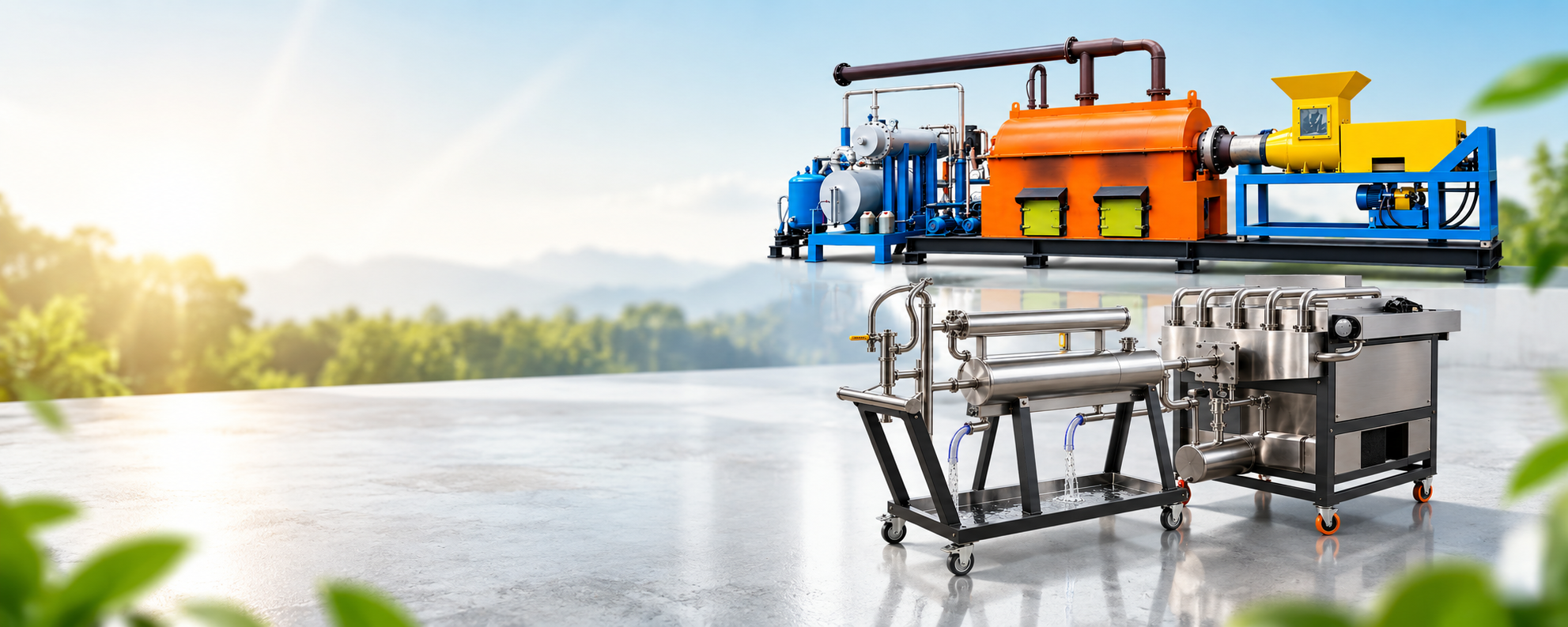
PLASTIC WASTE CONVERSION TECHNOLOGY
A thermal conversion system designed to transform plastic waste into valuable hydrocarbon products, including wax, oil, and gas that can be utilized again.
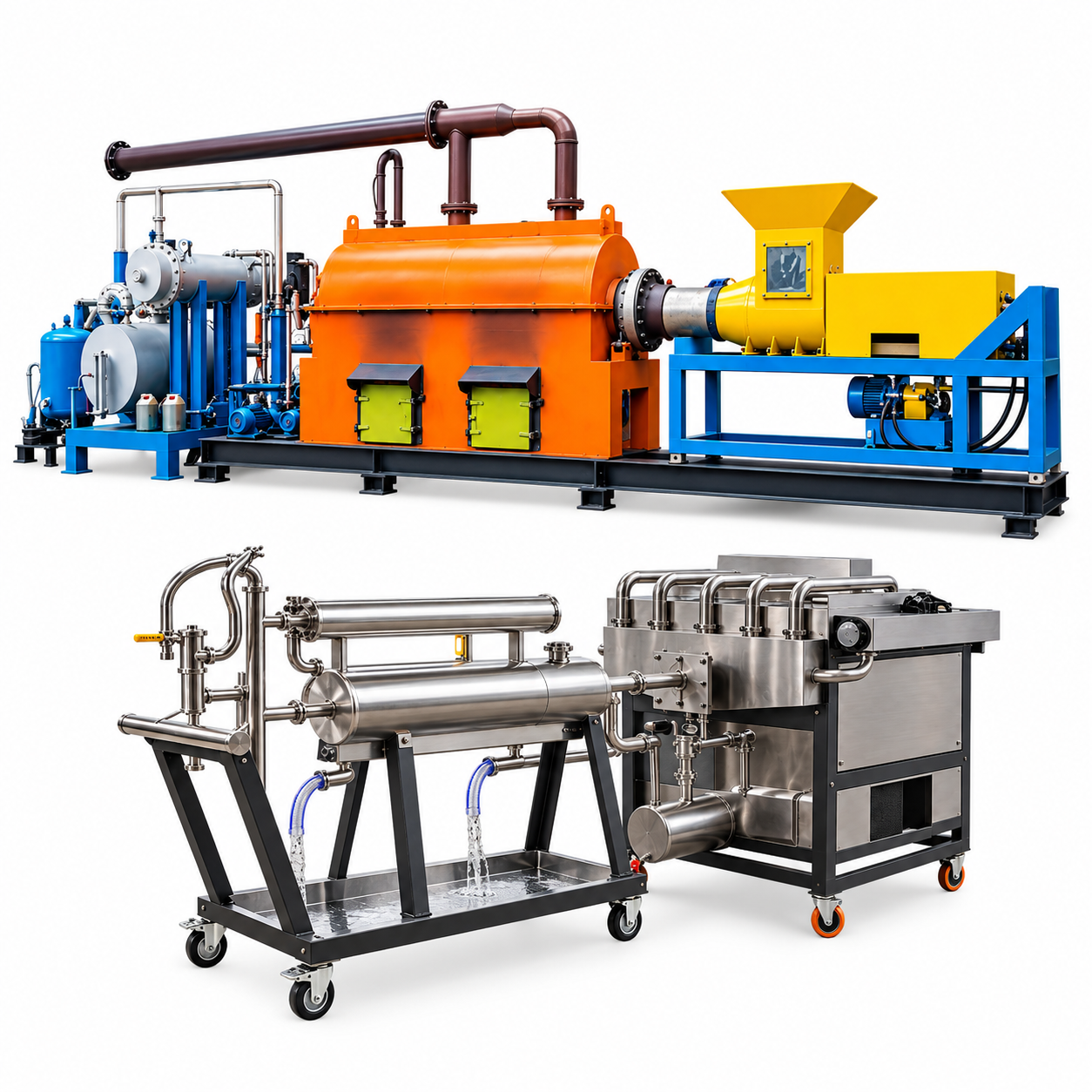
INTRODUCING PYROLYSIS SYSTEM
RePyra Pyrolysis System is a thermal conversion technology designed to process plastic waste into various hydrocarbon products that can be utilized again.
Through pyrolysis, plastic materials are converted into wax, oil, gas, and carbon-rich residue. The characteristics and proportions of these products may vary depending on the feedstock and process configuration.
INPUT
Plastic Waste
SYSTEM
Batch & Continuous
OUTPUT
Hydrocarbon Products
SYSTEM OPTIONS
RePyra offers Pyrolysis System in Batch and Continuous configurations, allowing processing capacity and operating methods to be adapted to different project scales and requirements.
BATCH PYROLYSIS
Batch Pyrolysis processes feedstock in individual operating cycles. This configuration is suitable for defined processing volumes, initial implementation, project development, and applications that do not require continuous operation.
CAPACITY OPTIONS
Suitable for:
Pilot projects, small-scale processing facilities, communities, institutions, research activities, and initial implementation of plastic waste processing technology.
CONTINUOUS PYROLYSIS
Continuous Pyrolysis is developed for plastic waste processing with a more continuous process flow and larger capacities. This configuration is intended for facilities requiring higher processing volumes and more integrated operations.
CAPACITY OPTIONS
Suitable for:
Waste processing facilities, industrial areas, local governments, companies, and plastic waste conversion projects requiring larger processing capacities.
*Actual system capacity and configuration depend on feedstock characteristics, process requirements, and project design.
FROM WASTE TO PRODUCTS
Many types of plastic contain hydrocarbons that can be converted through thermal processing. Pyrolysis System utilizes this potential by breaking down polymer structures into simpler hydrocarbon fractions.
The resulting products can then be directed toward various applications, ranging from energy sources to feedstock for further processing.
01 — INPUT
Plastic Waste
02 — CONVERSION
Pyrolysis System
WAX
Hydrocarbon Wax
OIL
Pyrolysis Oil
GAS
Non-condensable Gas
RESIDUE
Carbon-rich Residue
OUTPUT FLEXIBILITY
RePyra develops wax utilization through PyraWAX, but pyrolysis technology has the potential to produce a much wider range of products. Product distribution may vary depending on feedstock characteristics and process requirements.
This allows projects to be designed with different utilization objectives, whether focused on wax production, pyrolysis oil, process gas utilization, or the development of solid carbon products.
01
A heavy hydrocarbon fraction that can be developed as a fuel or utilized in further applications.
02
A liquid hydrocarbon fraction that may be utilized as an energy source or processed further according to application requirements.
03
A non-condensable gas fraction with potential for reuse in appropriately designed energy systems.
04
A solid fraction that can be evaluated and further developed depending on its characteristics and intended use.
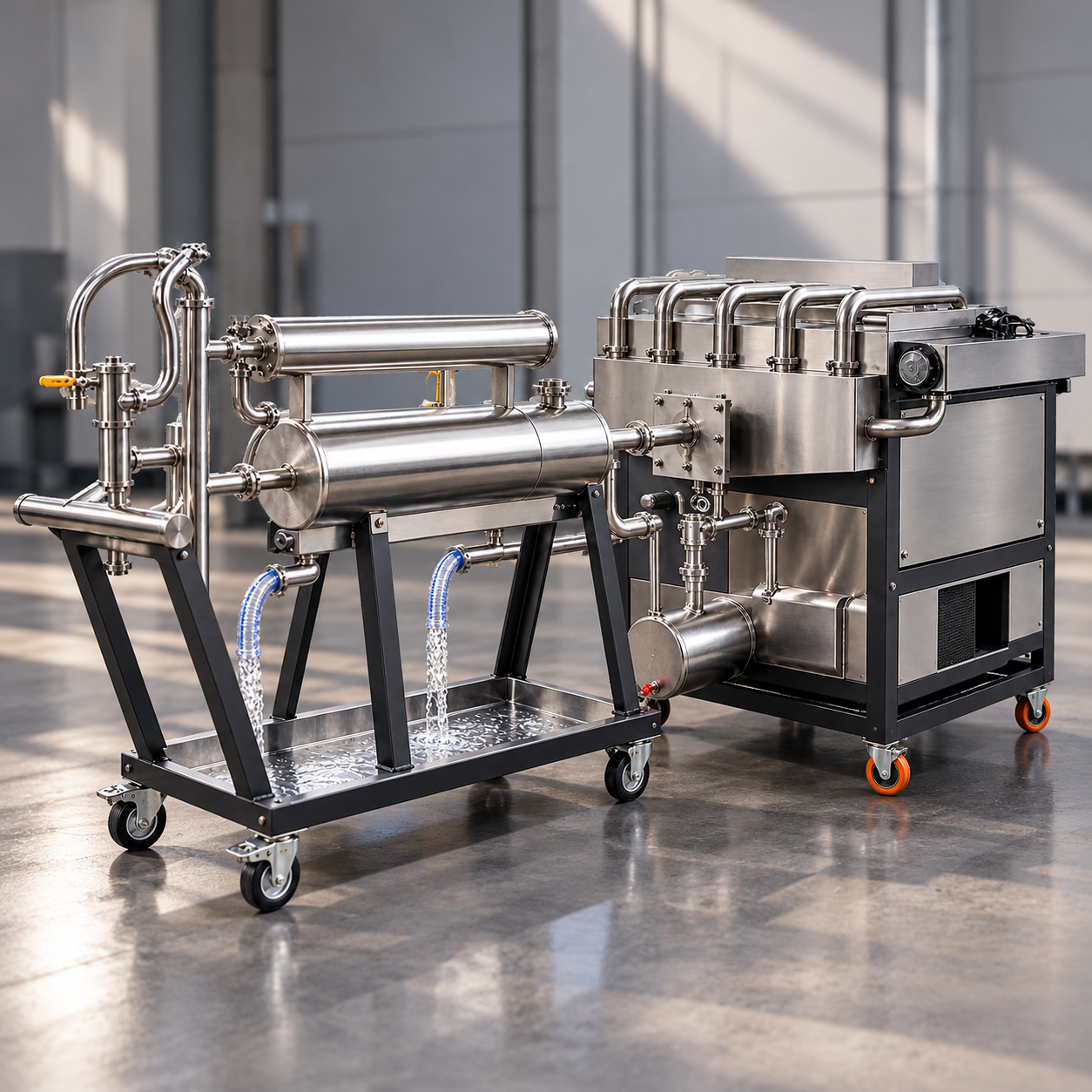
BATCH PYROLYSIS
Batch Pyrolysis offers flexibility for projects looking to begin plastic waste processing without immediately building a large-capacity facility.
With capacity options of 10, 25, 50, and 100 kg, the system can be adapted for testing, technology demonstrations, local processing, and commercial implementation at selected scales.
Capacity can be selected according to processing volumes and project requirements.
Enables technology implementation at a more accessible scale before expanding to larger operations.
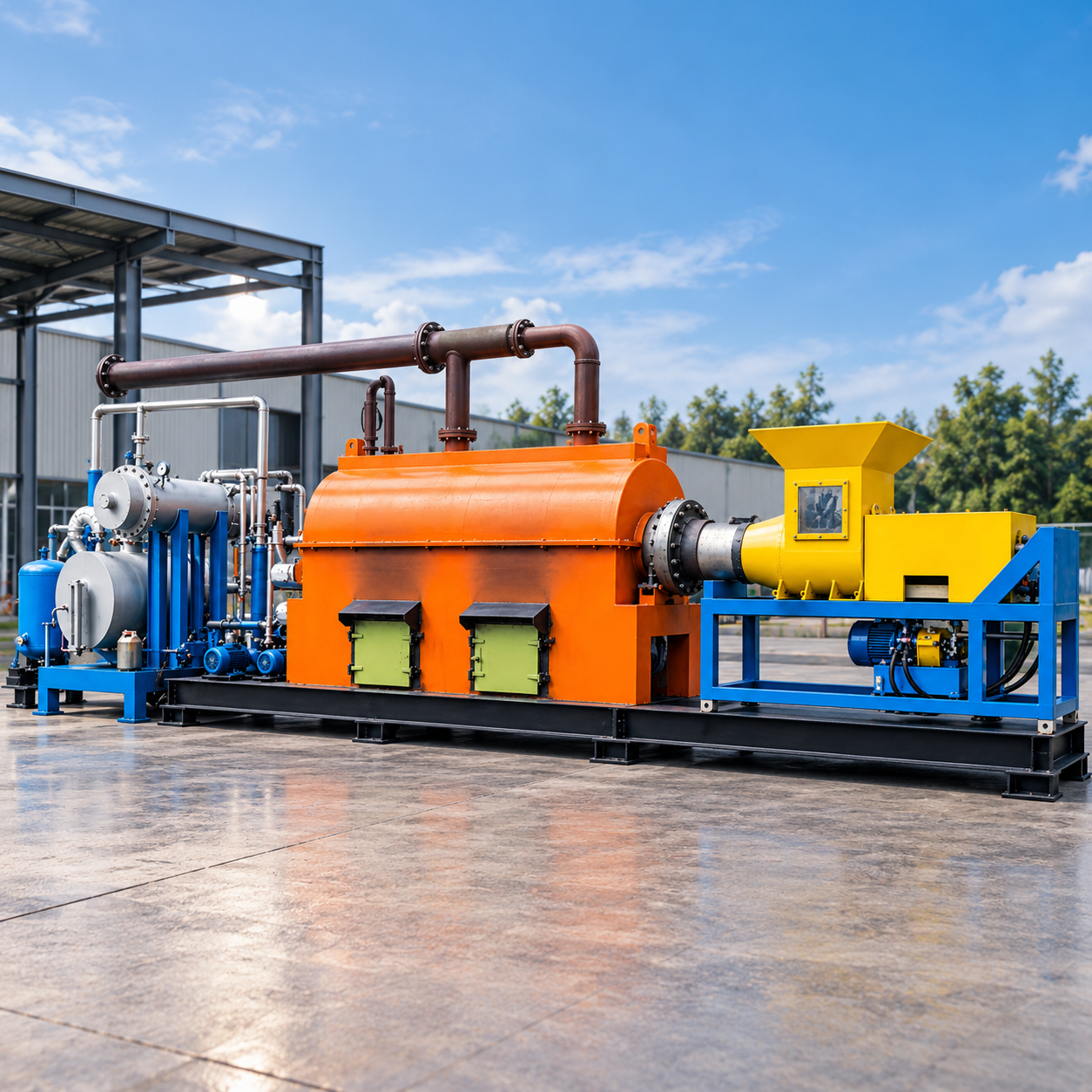
CONTINUOUS PYROLYSIS
Continuous Pyrolysis is intended for facilities with larger plastic waste supplies and the need for more continuous processing operations.
RePyra can develop systems with capacities ranging from 500 kg to 5 tons to meet processing facility requirements, feedstock availability, target products, and project scale.
Designed for projects requiring higher processing volumes.
Supports a more continuous processing approach for larger-scale facilities.
FEEDSTOCK
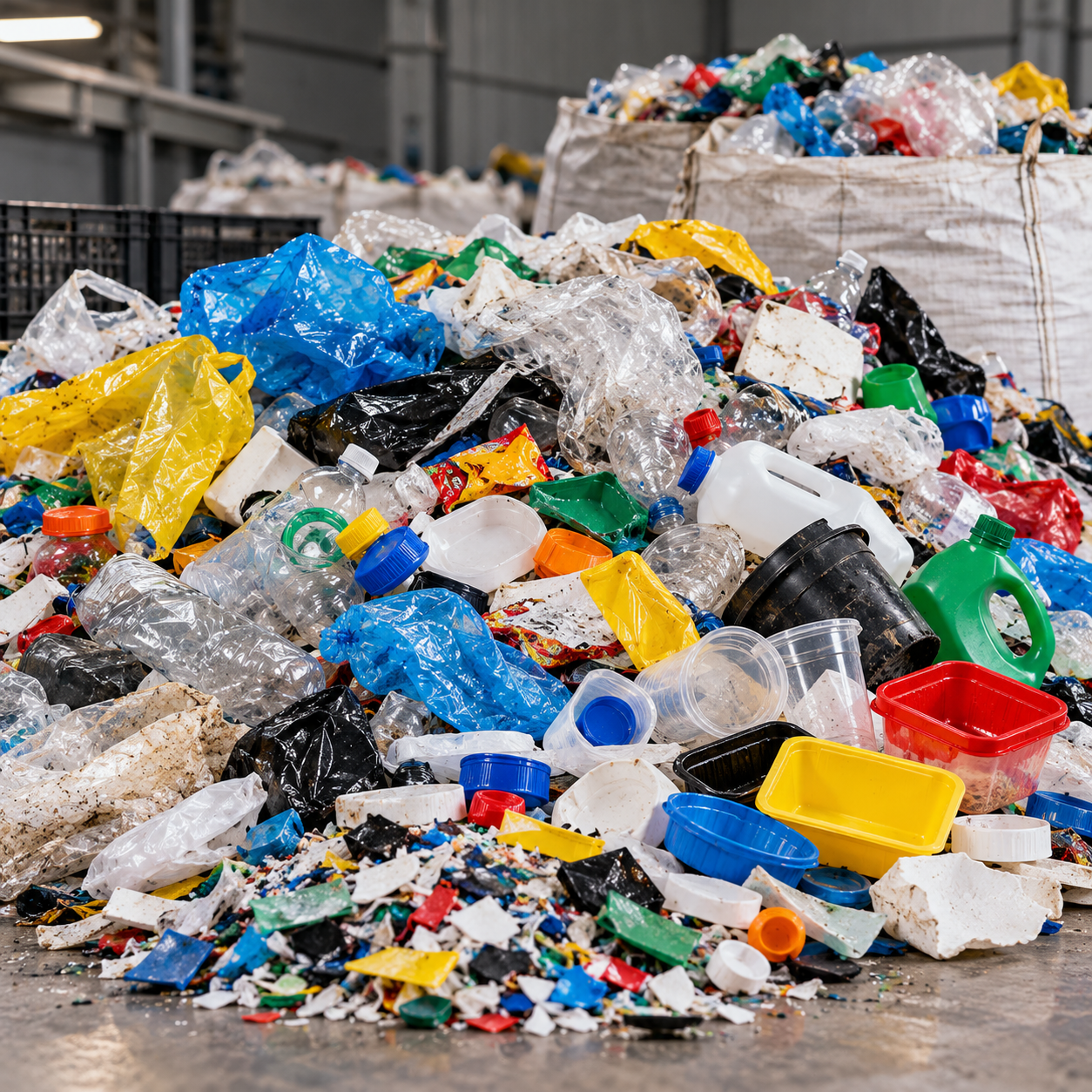
Not all plastic waste has the same characteristics. Polymer types, contamination, moisture content, material mixtures, and feedstock conditions can influence the process and the products generated.
Therefore, feedstock selection and preparation are important considerations when determining Pyrolysis System configurations and product utilization strategies.
PROJECT-BASED APPROACH
RePyra evaluates feedstock characteristics, processing capacity, and intended product utilization before determining a suitable system configuration.
PYROLYSIS SYSTEM ADVANTAGES
01
Available from small-scale units to continuous systems for larger processing requirements.
02
Product utilization can focus on wax, oil, gas, or other potential products depending on process characteristics.
03
Capacity options allow implementation to begin at a selected scale and expand as project requirements grow.
04
Converts plastic waste into hydrocarbon products with potential applications and economic value.
APPLICATIONS
With Batch and Continuous configurations, RePyra pyrolysis technology can be developed for various scales of plastic waste processing requirements.
01
Plastic waste processing at community, institutional, or local facility scales.
02
Converting plastic waste generated by business activities into products with potential value.
03
Larger-capacity systems supporting waste processing facilities and waste-to-resource projects.
PYROLYSIS SYSTEM
Tell us about your waste type, processing capacity, and intended product utilization. RePyra can help identify a Pyrolysis System configuration suitable for your project.
DISCUSS YOUR PROJECT →